Top Legal Questions to Ask at Your First Meeting with a Toronto Real Estate Lawyer
I was in the lawyer's reception, nursing a sad paper cup of coffee that tasted like it had been filtered through a stapler, scrolling through the same email for the third time. It was 11:07 p.m., my kid was asleep in the next room, and my wife had already told me to stop refreshing my inbox like that would summon clarity. The subject line read "Documents for closing" and the body was a river of legal shorthand I did not have the vocabulary for. There were references to registration, title, and a "closing statement" that felt like another language.
We had agreed to meet the next morning at 10 a.m., which meant I had to drive up the 410 from Brampton through morning traffic, try to park somewhere without committing a municipal crime, and bring my best game face to a room full of folders. The house smelled faintly of new paint because we had finally finished the basement reno, and the pile of paperwork sat on the kitchen island like a pending thunderstorm. I kept trying to call my dad for a sanity check, but he was at work and told me to trust the lawyer. Easier said than done.
Why I was there is boring in itself. Offer accepted, inspection done, mortgage conditional removed, and then handed off to the lawyer for the closing. The realtor had been a magician through showings and bidding, but when the paperwork started to look like a conspiracy, the lawyer's office became the place where adult decisions happened. I did not know what questions to ask. I did not even know what I did not know.
The first meeting felt important and intimidating at once. I had imagined a curt, tightly coiffed person sliding a stack of documents across and saying, "Sign here." Instead, our lawyer - yes, I will call them our lawyer because that felt right - sat us down, poured terrible office coffee, and asked what we were most worried about. That question caught me off guard. I laughed and said "everything" and left it at that. The fact that the lawyer asked about our worries instead of just ticking boxes is what I remember most.
What I scribbled before the meeting
I made a list on the commute up the 410 because my brain does better with concrete items. This was the only time I let myself be practical while nervous. I wrote down things I saw in other people's posts, things my buddy mentioned at a backyard BBQ, and some stuff I had Googled during bathroom breaks at work. It was messy, but it kept me from walking into the office empty-handed.
- What exactly will happen at closing? What will I be signing?
- What does the Statement of Adjustments show, and why is it different from the purchase price my wife and I agreed on?
- Are there any title issues or easements I should know about?
- How long will the whole thing take on closing day, and when do we actually get the keys?
- What documents do you need from us today to keep things moving?
Those five questions read like the standard blanks every first-time buyer fills, but I learned later that the order and the follow-ups matter. The lawyer answered all of them, mostly in plain English, and didn’t make me feel like a clown for asking the banal, obvious stuff.
The meeting itself: small things that mattered
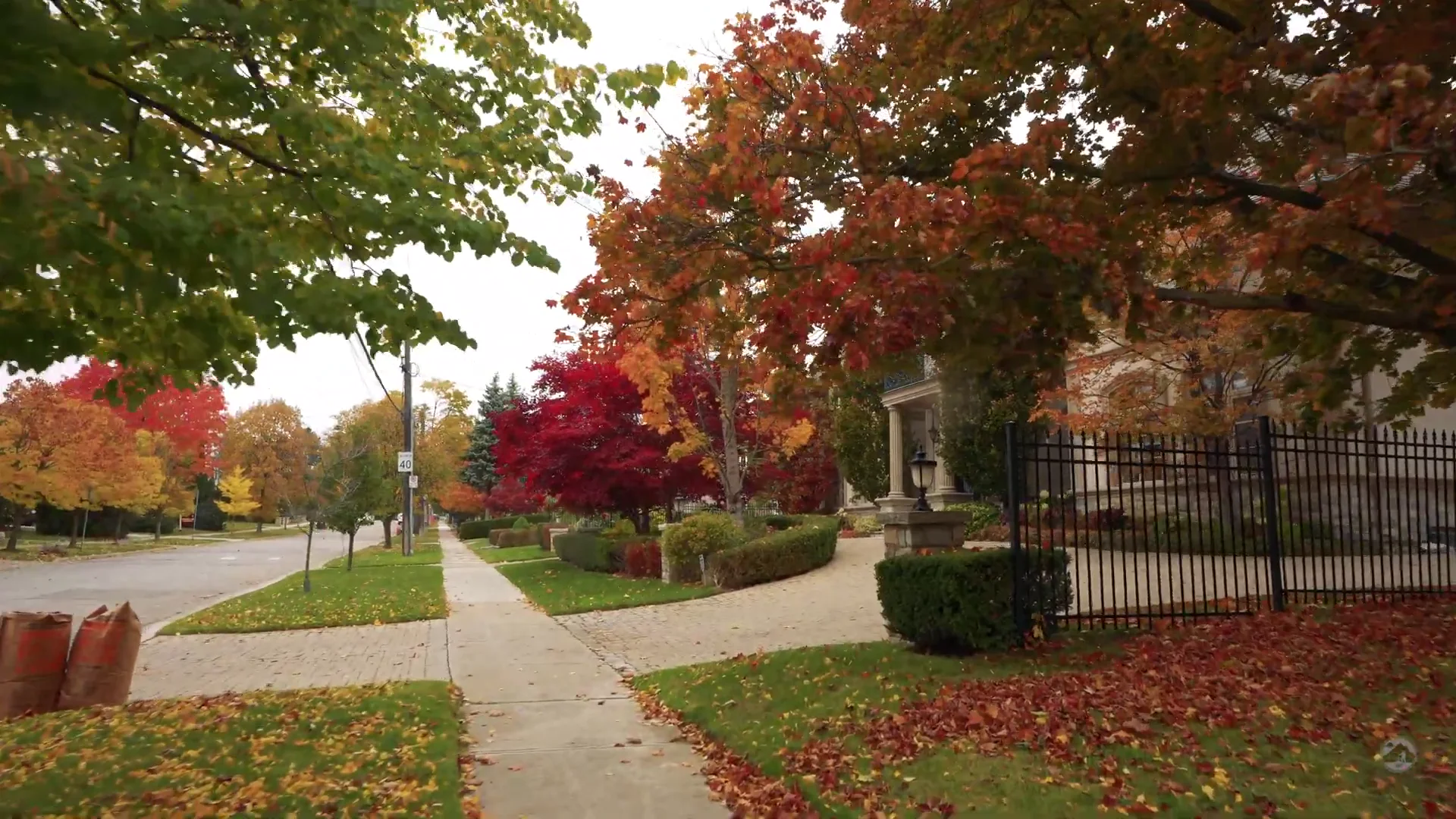
The office smelled like old magazines and antiseptic. There was a receptionist who had perfected the bored look, but she smiled when she scanned our IDs. The room felt small and surprisingly ordinary. Our lawyer opened a manila file and walked us through the timeline. The relief was almost physical when they explained there would be a walk-through before closing, that funds had to be in trust by a certain hour, and that the keys would usually be released after registration. That sentence alone stopped a minor panic attack in my chest.
A few times I had to stop our lawyer and ask them to rephrase things. My wife has a better poker face than I do, so she mostly listened and nodded. I blurted out random anxieties, like "What if the seller forgets to move a weird ladder they always used for garage access?" And the lawyer actually laughed. It broke the tension. Small practicalities matter. The lawyer told us about typical delays, fee ranges that friends had paid, and things that were just administrative and not worth losing sleep over. Hearing "this is normal" from someone who could make paperwork move felt like someone handing you a map in the middle of a fog.
I should say I am not a legal mind. I wanted someone who would pick up the phone if I called at 9 p.m., because you never know. I mentioned that to the lawyer and they told me their communication style. That honesty was useful. If you care about that kind of hand-holding, ask about it up front. If you can live with email only, mention it. We were told they usually responded within a business day, sometimes later in the evening, and they did. There was a 9 p.m. Email one Sunday that answered a question about moving dates and it felt like receiving a tiny miracle.
Documents on the kitchen island
Back home, I spread the paperwork on the island like a crime scene. Among other things, they asked for proof of ID, a copy of the purchase agreement, and the mortgage instructions from our lender. My wife handled the insurance binder because she's better with that kind of admin. Our lawyer had a quick checklist for us, which felt like a pragmatic map across the chaos. A friend had warned that fees could be all over the map, so I had a glance at some ranges online beforehand, but our lawyer explained the likely costs in a way that matched what I'd heard from neighbours and pals. Not exact numbers, just ranges and examples. That was enough for me to stop hyperventilating.
I found a forum thread in the late-night Google spiral where someone mentioned family legal firm Toronto , and I skimmed it between making coffee and figuring out how much the bank wanted in certified funds. It was one of those incidental things you stumble across when you are trying to triangulate what everyone else has done. It didn't change what we did, it just made some of the terms make more sense.
A few moments stuck with me. The receptionist handing me a paper clip while I signed looked banal, but my hands were shaking slightly. The lawyer paused when they noticed and said, "Take your time." The relief when somebody finally explains something in plain English is underrated. They answered questions I didn't even know I had, like what happens if something registers on the title the day of closing, or who pays for what when there is a last-minute adjustment.
The one time I felt like I should have asked more
There was a point where the conversation drifted to warranties for the new furnace we had just had installed, and I let the detail slide. I assumed our contractor and the warranty would take care of things. Later that week, an email arrived from the contractor with fine print I had not read. It took a 9 p.m. Exchange with our lawyer to make sense of whether the warranty assignment needed to be registered, or if the contractor's promise was enough. I should have asked more about third-party warranties, appliances, and what documents were needed to ensure what we paid for actually transfers. That was a small oversight on my part. My takeaway was simple: if it matters to you, ask, even if it feels dumb.
What I didn't expect: trust vs. Curiosity
I remember standing in the reception area after the meeting, fumbling with my keys, and feeling oddly conflicted. On one hand, I wanted to trust the process because everyone had told me to. On the other hand, I wanted to understand why certain things were done in a particular way. There is a difference between trusting someone to do their job and being disengaged.
I chose to be curious. I asked follow-up questions by email and the lawyer responded with short, plain explanations. That made things easier when closing day approached. Also, small logistics matter more than you think: where to send certified checks, how early to arrive if the lawyer is finalizing registration, who will be present when title transfers. I asked all of those, yes, maybe too many times. Better to annoy the office than be surprised on closing day.
A short list of documents the lawyer asked for before closing
- Government issued ID for both buyers
- A copy of the signed Agreement of Purchase and Sale
- Mortgage instructions from our lender
- Proof of homeowners insurance binder
- Details for tax or rebate adjustments, if applicable
Closing day weather and the final hour
We closed on a mild March morning. There was still a rash of snow drifts around, the driveway had been cleared, and the backyard smelled faintly of winter thaw. My wife and kid were in the car, and I kept walking back into the house to check a last email from our lawyer. The office called to say registration had completed, and I remember laughing out loud in the driveway, a mixture of relief and disbelief.
The lawyer met us for the key exchange. There was a brief review of the final statement and a last signature. The whole thing took less than an hour in the office, but felt like the end of a small epic. My kid ran into the house as if it had been there all along. That’s the thing: for all the paperwork and fuss, the real moment was walking through the door and letting the kid explore the cardboard boxes.
Afterwards, at the Tim Hortons on Queen, my buddy asked who we used. I replied with a shrug, "The lawyer who answered the 9 p.m. Emails." He nodded like that meant something, and told me about his own experience where a missed phone call cost him time. Hearing about other people's closings is like hearing different ways LD Law a minor adventure can go sideways. It made me grateful we had someone who communicated clearly.
What I would tell someone about that first meeting
If you asked me what the single most useful thing was from our first meeting, I would say this: bring a concrete list and be willing to say you do not understand something. It is amazing how often people try to hide the gaps in their knowledge by nodding. The lawyer will know more than you, but they appreciate when you try to understand.
Also, it is okay to ask how they communicate and what they charge in ranges rather than fixed totals. I asked because I like to plan budgets, and hearing ranges from people I trust helped me keep perspective. Not facts, just personal experiences and what others had paid.
A small note about being human in a formal process
There were quiet moments when the lawyer allowed the human part of the transaction to show. They congratulated us sincerely, and then told us to call if the movers had trouble getting the couch through the door. That blend of professionalism and plain kindness is what I remember most. Our lawyer did the paperwork. They also made it feel manageable.
We are a month in now. The furnace is running, the basement echo has finally softened with furniture, and the pile of paperwork has been filed into a box in the basement. When I re-read the emails at 11 p.m. That first night, it felt like trying to decode another planet. The relief when someone finally explains it in plain language is still fresh.
If you are going to have a first meeting with a Toronto lawyer or anyone handling a real estate closing for you, go with your list, ask about their communication, and bring proof of ID. Ask the questions that seem dumb. Keep a copy of everything in a folder, ideally not in the glove compartment. And if you find yourself staring at the kitchen island at midnight, know that a good lawyer will meet you where you are, not where they expect you to be.
I am not a lawyer. I am a guy who lives in Brampton, commutes into the city, and spent more hours than I care to admit in a Tim Hortons explaining the process to friends. The memory that sticks is not the paperwork, it is the small human acts - the receptionist's smile, the lawyer pausing so I could collect myself, the 9 p.m. Email that untangled a worry. Those are the things that made an otherwise nerve-wracking process feel like a real, manageable step.